
Ensemble Stars Music
Eureka Creation LimitedMusic
3.51.33K Reviews
- Version
- 4.4.8628
- Installs
- 1.00M
- Age Rating
- Teen
Screenshots

Our Review of Ensemble Stars Music
 Analysis by Appyee
I can see Ensemble Stars Music working best in a household where one person wants a regular rhythm game and others are happy to watch, listen, or take turns. A quick song can fit into a spare moment, while the performances and character-focused material give a curious sibling or friend something to follow from the sofa. I would treat it as one player’s game rather than a shared account: progress, preferences, and any purchases belong to whoever is using that account, so taking turns on a device calls for a clear agreement.
Taking turns without mixing up progress
On a shared phone or tablet, decide whose session it is before opening the game. That small habit avoids someone changing a lineup or spending an in-game resource while another person is away. I would also agree on a simple rule for purchases: ask the account holder first, and keep payment approval with the person responsible for the device. The game is free to start, but optional in-app purchases range from $0.99 to $99.99 per item, so “free” should not be mistaken for “nothing can be bought.”
A practical shared-use routine is to let one player handle event progress and team choices, while everyone else watches a performance or chooses a song when invited. That preserves a consistent save and still makes the game sociable. If two people want separate progress, I would use separate accounts only where the platform and game support that arrangement, and check the sign-in state before handing over the device. I wouldn’t assume that switching players automatically creates a private profile.
Fitting play around a busy day
For me, the most natural everyday use is a short break after homework, during a commute where it is safe and practical to play, or while waiting for someone. I can choose a song and focus on the notes without needing to turn the session into a long story-reading stretch. At home, a useful compromise is to keep performance volume comfortable for everyone nearby and use headphones when other people are studying or relaxing. Rhythm play needs attention, so it is not a good choice while walking across busy streets or doing anything that requires concentration elsewhere.
There is also a trade-off between playing for the music and playing to keep up with events. If I only have a few minutes, I would pick a track for the enjoyable performance rather than feel obliged to clear every current activity. Players who like scheduled goals may find recurring events motivating; players who prefer a game that patiently waits for them may find the event rhythm tiring. I’d make that distinction early instead of treating every limited-time prompt as a task.
First Impressions and Interface
From the moment you open Ensemble Stars Music, you’re greeted with a burst of color and energy. The interface is sleek and intuitive, which is a huge plus if you’re like me and want to jump right into the action without getting lost in a maze of menus. The main screen is neatly organized, showcasing events, your favorite characters, and an enticing play button that’s hard to resist!
Gameplay and Mechanics
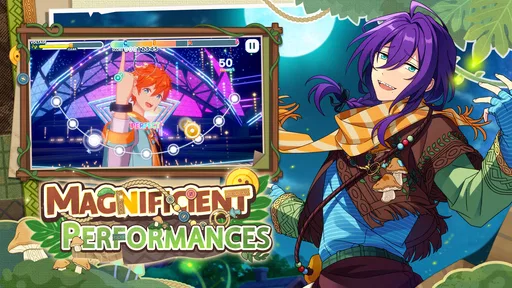
The core of the game is its rhythm gameplay, and boy, does it deliver! You tap, hold, and slide to the beat of catchy tunes, each track syncing perfectly with the beatmaps. What I love is the variety in difficulty levels, making it accessible for newbies while still challenging for seasoned players. The mechanics feel smooth and responsive, so if you miss a beat, it’s definitely on you!
For a new player, I’d start at a comfortable difficulty and treat the first few attempts as a way to learn the note patterns, not as a test of reflexes. If a section repeatedly catches me out, I find it more useful to focus on the timing and hand movement than to chase a perfect score immediately. On a shared device, this also makes turns fairer: agree on a difficulty before passing the phone, since a setting comfortable for an experienced player may be frustrating for a beginner.
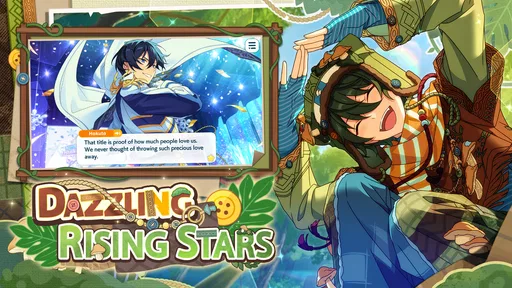
Another cool feature is the variety of modes. You’ve got your standard live performances where you can show off your skills and score high. Then there’s the story mode, which deepens your connection with the characters, and trust me, the storytelling is pretty engaging.
The split between performance and story is valuable because they serve different moods. When I want active play, I choose a live; when I want more context for the cast, I spend time with the narrative. That means the game can appeal even if a player is not chasing scores, though someone who wants nothing but a bare-bones music challenge may find the character and event layers distracting. Compared with simpler rhythm games that put a song list and score screen first, this one asks you to care about the world around the tracks as well.
Characters and Customization
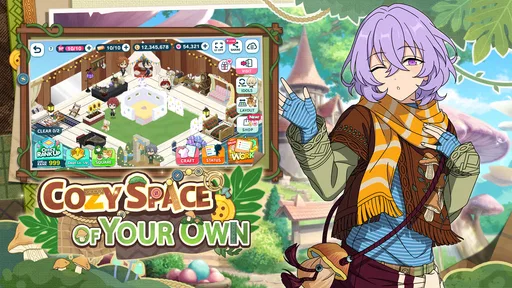
Speaking of characters, Ensemble Stars Music doesn’t skimp on personality. With a roster of over 40 characters, each with their own unique story and style, there’s someone for everyone. The game allows for a great deal of customization, from outfits to unit formations, which keeps things fresh and fun. I found myself spending way too much time just tweaking my team’s look!
That customization gives me a reason to make small choices beyond the song itself. I might arrange a team around characters I already like, or change the presentation simply because I want a different feel for a performance. My tip is to separate aesthetic decisions from score-focused play: if I’m experimenting with a look, I don’t expect every choice to be the most efficient one for a challenge. That keeps the creative side enjoyable rather than turning every outfit or lineup into an optimization chore.
Character interactions are a big part of the experience. As you progress, you unlock stories and events that give you a deeper insight into each character’s backstory. It’s like being part of your own anime series, and who doesn’t want that?
For a household, this also affects who is likely to enjoy watching. Someone who follows the cast can appreciate a performance even when it is not their turn to play, while a visitor unfamiliar with the characters may connect faster through the rhythm action than through ongoing story details. I’d introduce the game by letting them try a song first, then offer the character material if they want more. That avoids asking a newcomer to learn a large cast before they have found a reason to care.
Visuals and Soundtrack
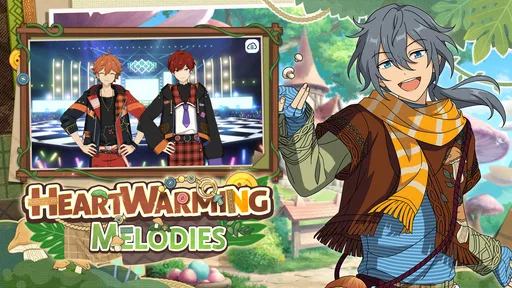
Visually, the game is a treat. The animations are smooth, and the character designs are top-notch, staying true to the anime aesthetic. The live performances are particularly impressive, with dynamic stage effects that enhance the overall experience.
The performance presentation is a strength, but it also changes how I’d use the game around other people. Watching the staging is fun when I can give it my attention; when I’m practicing a difficult chart, I care more about reading the notes than taking in every visual flourish. I’d choose the experience that fits the moment instead of expecting the effects and precision play to matter equally on every run.
And then there’s the music. The soundtrack is, without a doubt, one of the game’s strongest features. It’s filled with catchy J-pop tracks that are sure to get stuck in your head. Whether you’re a fan of upbeat tempos or more mellow tunes, the game’s got you covered. I often found myself humming along even after I stopped playing.
Compared with a general-purpose music app, this is not a substitute for building a playlist and listening passively: the songs are tied to an interactive game experience. That is precisely the appeal if I want to engage with a track, but it is a limitation if I simply want background music while doing chores. I’d also keep the audio considerate in shared spaces. Headphones make it easier to focus on timing without turning a quick session into the household soundtrack.
Community and Events
The community aspect is another highlight. Regular events keep the game exciting and offer plenty of rewards. Whether it’s collaborative events or special limited-time challenges, there’s always something going on. Plus, the social features allow you to connect with other players, share your achievements, and even participate in friendly competitions.
That ongoing activity can be fun, but I would not make event participation a household obligation. A younger player may feel pressure to check in because an event is available, while an adult sharing the device may have a different idea of when it is convenient. A simple boundary—play when it suits you, and don’t interrupt meals, sleep, schoolwork, or family plans for a game prompt—keeps the entertainment in perspective.
Keeping up with events can be a bit of a commitment, but the rewards are usually worth it. I’ve met some pretty cool folks through the game, and it’s nice to have that social element.
For coordination, I’d agree in advance about who manages the account and who can make changes, especially if several people use the same device. Social interaction is a bonus, not a reason to share login details or personal information casually. If someone in the household is new to online games, I’d show them how to keep conversations and account details private and involve a trusted adult if anything feels uncomfortable. That advice is sensible for any social game, rather than a special feature I assume this one provides.
Age, spending, and who should play
The game is rated Teen, which is useful context for families deciding whether it suits a younger player, but an age label is only one part of that decision. I’d consider whether the player is comfortable with ongoing events, character stories, and social interaction, and whether they can follow household rules about screen time and purchases. A parent or guardian should make the final call for a child, including checking the game directly and setting device-level purchase approval where available.
It is free to download and play, with optional purchases priced from $0.99 to $99.99 per item. That range makes it especially important not to hand a child an unrestricted payment method and assume they will never tap a purchase prompt. I’d explain that progress and collection choices do not require spending by default, set a clear permission rule, and review charges through the platform’s normal account tools. Players who dislike monetized collection systems may prefer a paid rhythm game with a simpler purchase model, even if it offers less character content.
The game is made by Eureka Creation Limited, has a 3.5 average from around 20,000 ratings, and has passed one million installs. It first arrived on June 12, 2022; the current version is 4.2.8294 and it requires Android 6.0 or later. Those details make it straightforward to check basic Android compatibility, but I’d still leave enough room on a device and make sure its controls feel comfortable before settling into longer sessions. The rating is a reminder that enjoyment is not universal: I’d weigh the mix of rhythm play, character appeal, and event commitment against what the player actually wants.
Who will enjoy it—and who may prefer another game
I’d recommend it to someone who likes anime-styled casts, wants a rhythm game with more to explore than a succession of charts, and enjoys returning to events at their own pace. It can also work well for a fan who wants to follow character stories between performances. If the household has one enthusiastic player and a few curious spectators, the colorful live presentation gives others an easy way to join in without taking over the account.
I’d steer a player elsewhere if they want a minimalist rhythm challenge with no story or collection layer, a fully offline-feeling experience, or a game that never puts limited-time activities in view. A different music game may be a better fit for someone focused only on chart precision, while a music streaming app is better for passive listening. The important question is not whether this game has a lot to do, but whether its combination of performance, cast, and ongoing activities matches the way you want to spend a break.
Final Thoughts
Overall, Ensemble Stars Music is a vibrant, engaging rhythm game that’s sure to appeal to both anime fans and rhythm game enthusiasts. Its combination of addictive gameplay, charming characters, and a killer soundtrack makes it a standout in the genre.
If you’re looking for a new game to lose yourself in, give it a shot. Just be warned—it’s pretty addictive, and you might find yourself tapping along to the beat at the most unexpected times!
My household verdict is positive with a few sensible boundaries: keep one clear account owner, decide who may change the lineup or spend, and treat events as optional entertainment rather than a daily duty. For the right player, this is a lively mix of music, timing, and character stories; for someone who only wants quick, uncomplicated song challenges, its broader world may feel like extra work. I’d try it when I have time to explore that world, then decide whether the performances and cast are enough to make me come back.
Verdict
Strengths of Ensemble Stars Music
- Immersive 3D live performances.
- Extensive character customization.
- Engaging storylines and dialogues.
- High-quality graphics and sound.
- Frequent updates with new content.
Limitations of Ensemble Stars Music
- Requires a stable internet connection.
- Limited offline play options.
- In-app purchases can be pricey.
- Complex interface for beginners.
- Large file size requires ample storage.
Similar Picks in This Category
View All
Tiles Hop Music & Ball Game
AMANOTES PTE. LTD.4.3

Magic Tiles 3™ - Piano Game
AMANOTES PTE. LTD.4.6

Real Piano
Bilkon3.7

Piano Game: Classic Music Song
Dream Tiles Piano Game Studio4.0

Smash Colors: Music Ball Rush
BADSNOWBALL HONGKONG LIMITED4.2

Piano Music Go-EDM Piano Games
Joy Journey Music Games4.5
Frequently Asked Questions
What is Ensemble Stars Music about?
Ensemble Stars Music is a rhythm game combined with a rich storyline, set in a vibrant world of idol training. Players collect and train idols from the Yumenosaki Academy, participate in live performances, and engage with various story arcs. The game features high-quality 3D graphics and a variety of songs to enjoy.
Is Ensemble Stars Music free to play?
Yes, Ensemble Stars Music is free to download and play. However, it includes in-app purchases that allow players to buy additional items, such as costumes and energy refills. These purchases can enhance gameplay but are not mandatory to progress through the game.
What are the system requirements for Ensemble Stars Music?
For Android users, Ensemble Stars Music requires Android 5.0 and up, while iOS users need iOS 10.0 or later. It’s compatible with most modern smartphones and tablets, but players should ensure they have enough storage space and a stable internet connection for optimal performance.
How does the gameplay of Ensemble Stars Music work?
The gameplay involves rhythm-based challenges where players tap along to music tracks. Points are earned based on timing and accuracy. Players also manage a roster of idols, customize their appearances, and unlock story content. Regular events and updates provide new songs and challenges to keep the game engaging.
Can I play Ensemble Stars Music offline?
No, Ensemble Stars Music requires an internet connection to play. This is necessary for accessing live events, downloading new content, and maintaining in-game progress. A stable connection ensures that you can fully experience all aspects of the game without interruptions.
Play our best games!


